
Radiation Therapy Explained: What Patients Need to Know
Radiation therapy is a cornerstone of modern cancer care, using high‑energy beams to damage or destroy malignant cells.
The beams interfere with DNA replication, halting tumor growth while occasionally affecting nearby healthy tissue.
Treatment is precisely aimed at the tumor site—or the surgical bed after tumor removal—to eradicate residual cancer cells.
Because radiation can be confined to a specific region, it often spares the rest of the body, unlike systemic chemotherapy that circulates throughout the bloodstream.
According to the American Cancer Society, more than half of all cancer patients receive radiation therapy at some point. It may be used alone or in combination with surgery, chemotherapy, or targeted drugs.
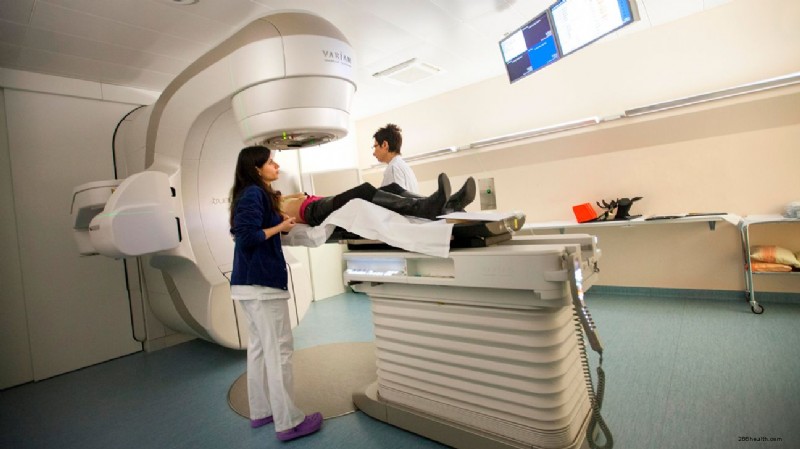
There are two main categories of radiation therapy: external‑beam radiation (EBRT) and internal radiation (brachytherapy).
When choosing the optimal approach, your radiation oncologist will evaluate several factors, including:
- Cancer type
- Tumor size
- Location of the tumor
- Proximity to radiation‑sensitive organs
- Overall health and performance status
- Planned concurrent treatments
- Patient age
External Beam Radiation Therapy (EBRT)
EBRT delivers high‑energy photons or particles from a linear accelerator positioned outside the body. The machine rotates around you, directing beams from multiple angles while never touching the patient.
This technique is ideal for targeting a defined area—such as a breast tumor—without exposing the rest of the body.
Internal Radiation Therapy (Brachytherapy)
Brachytherapy involves placing a sealed radiation source directly within or next to the tumor. Sources may come in the form of:
- Capsules or seeds
- Ribbons or wires
- Balloon catheters
- Tubes or implants
- Liquid formulations administered orally, intravenously, or by injection
The procedure is performed in an operating‑room suite under general or local anesthesia, with imaging guidance to ensure accurate placement. Hospital stay varies: larger implants may require a few days of observation, while smaller seeds often allow same‑day discharge with clear home‑care instructions.
Liquid brachytherapy can be applied to skin cancers or delivered systemically; patients are advised that their bodily fluids may emit low‑level radiation for a short period.
Why Radiation Therapy Is Used
The primary objectives are to:
- Destroy all cancer cells in the targeted area
- Reduce tumor size
- Prevent recurrence
- Alleviate cancer‑related symptoms
Even when it does not cure the disease, radiation can control growth, lessen pain, and improve quality of life.
Potential Side Effects
Side effects vary with the treatment site, dose, and individual health. Common reactions include fatigue, skin irritation, and hair loss in the treated field. Specific locations may produce unique effects—for example, headaches with brain irradiation, nausea with abdominal treatment, or fertility concerns with pelvic radiation.
Side effects can appear during treatment, shortly after, or months later. Discuss preventive strategies and management plans with your care team before therapy begins.
Radioprotective Medications
In some cases, physicians prescribe radioprotective drugs to shield healthy tissue. Their use depends on the radiation type, dose, and treatment area.
Treatment Planning and Delivery
Before the first session, a radiation simulation (CT‑based planning) maps the tumor and surrounding anatomy. Most courses involve daily sessions, five days a week, over several weeks, with weekends off to allow normal cells to recover. Some protocols use fewer fractions or a single high‑dose treatment.
During each session, you lie on a treatment table while the linear accelerator positions itself around you. Customized cushions and immobilization devices ensure reproducible positioning. Protective shields may be placed to guard adjacent organs.
The procedure is painless; you can communicate with the team via an intercom, and clinicians monitor you from an adjacent control room.
Throughout the treatment course, imaging scans assess tumor response and guide any necessary adjustments. Promptly report any side effects—no matter how mild—to your oncologist, as simple interventions can markedly improve comfort.
Radiation therapy remains a vital, evidence‑based option for many cancers. By tailoring dose, technique, and supportive care, clinicians aim to maximize tumor control while minimizing harm to healthy tissue.
Cancer Treatment - Related Articles
- Understanding Cancer Markers: What They Are and What They Indicate
- Alkaline Water & Cancer: Exploring Potential Benefits & Research
- How to Secure Financial Assistance for Cancer Treatment
- Tamoxifen: Uses, Benefits & Effectiveness for Breast Cancer & Beyond
- Celebrities Championing Cancer Research: Inspiring Support & Advocacy
- Juice and Cancer Prevention: A Simple Approach
- Understanding Tongue Cancer: Causes, Symptoms & Treatments