
Top 6 Guided Journals to Boost Your Mental Well‑Being
When life feels overwhelming, a guided journal can provide a safe space to untangle thoughts, track progress, and nurture mental health. Psychotherapist Haley Neidich, an avid journaler, integrates journaling into every client’s treatment plan—whether it’s a quick pre‑session note or a morning reflection that grounds the day.
How We Chose the Best Journals
We evaluated each journal on three practical criteria:
- Ease of use: Simple prompts that work for beginners and seasoned writers alike.
- Time commitment: Options that require only a few minutes a day or week, so a busy schedule won’t become a barrier.
- Price: All selections are under $30, with several under $10.
Pricing guide
- $ = under $15
- $$ = $15‑$30
Our Top 6 Guided Journals
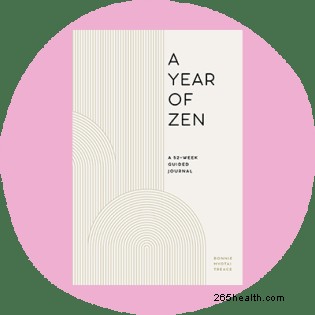
A Year of Zen: A 52‑Week Guided Journal
- Price: $
- Best for: New journalers who prefer weekly prompts over daily ones.
Inspired by Zen Buddhism, this book offers a year of short, timeless prompts. Because the prompts aren’t dated, you can skip days without falling behind. Writing space is modest, so it’s ideal for brief reflections rather than lengthy essays.
Poketo Quarterly Goal Planner
- Price: $$
- Best for: Goal‑oriented people who want structure without a heavy journaling commitment.
More a planner than a traditional journal, it blends goal‑setting worksheets with space for thoughts and weekly wins. You can adapt it to personal, professional, or both types of objectives.
The 5‑Minute Gratitude Journal: Give Thanks, Practice Positivity, Find Joy
- Price: $
- Best for: Anyone who wants a quick daily gratitude practice.
Neidich’s personal favorite, this journal features prompts that take just a few minutes to answer. Reviewers report a noticeable boost in mood and optimism after consistent use.
Let That Sh*t Go
- Best for: Those ready to identify and release limiting habits and self‑talk.
Bold, irreverent, and peppered with funny quotes, this journal helps you vent, sort, and reset. While its cheeky tone isn’t for everyone—especially anyone facing serious mental‑health challenges—many find the prompts surprisingly therapeutic.
Burn After Writing
- Price: $
- Best for: Writers who want a judgment‑free outlet for raw thoughts.
With over 25,000 positive Amazon reviews, this edgy journal encourages candid self‑expression. It doesn’t actually include matches, but the concept of “burning” your pages adds a playful sense of release. It’s especially popular with younger adults.
F*cking Brilliant One Line a Day Journal
- Price: $$
- Best for: Anyone who wants a compact, five‑year record of daily insights.
Each page offers just a single line, making it ultra‑portable and perfect for quick reflections. Users love its minimal time commitment and the ability to look back on five years of personal growth.
Choosing the Right Journal for You
- End goal: Clarify whether you seek deeper self‑awareness, gratitude, productivity, or goal tracking.
- Time commitment: Decide if you’ll write daily, weekly, or just a line a day.
- Prompt style: Prefer written questions, artistic prompts, or a blend of both?
Neidich advises starting with just two to five minutes per session. Consistency beats length; a short daily habit can yield lasting benefits.
Tips for Making Journaling a Habit
- Pair it with an existing routine (e.g., after morning coffee).
- Choose a comfortable, distraction‑free spot.
- Set a timer to keep sessions brief.
- Write freely—don’t edit yourself.
She also recommends mixing free‑writing with structured gratitude prompts for a balanced practice.
Beyond Mental Health: Goal‑Setting and Self‑Care
Journaling isn’t only therapeutic; it’s a proven tool for personal and professional growth. Entrepreneurs like Colin Palfrey (CMO, Majesty Coffee) and Ian Sells (CEO, RebateKey) credit daily entries with clearer thinking and measurable progress.
For many, gratitude journaling doubles as self‑care. Natasha Davis, a mom and small‑business owner, uses her journal to create a “positivity wall” that inspires both her and her son.
Journal vs. Diary vs. Junk Journaling
A diary records daily events, while a journal captures thoughts, feelings, goals, and reflections. “Junk journaling” repurposes recycled papers, photos, and snippets into a handmade creative journal.
What Makes a Good Guided Journal?
Effective guided journals feature clear, thought‑provoking prompts that align with your goals—whether that’s mindfulness, fitness, or manifestation. Always read sample prompts first to ensure they resonate with you.
Guided journaling is a supportive practice, not a substitute for professional mental‑health care. If you’re struggling, reach out to a qualified therapist.
Steph Coelho is a freelance writer with chronic migraine who writes about health and wellness. When she isn’t typing, she’s lost in a good book.
Mental Health (General) - Related Articles
- Understanding Counseling Treatment Plans: A Guide
- Understanding Antisocial Personality Disorder: Symptoms, Causes & Impact
- The Detrimental Impact of Solitary Confinement and Fluorescent Lighting in Pennsylvania Prisons
- Overcome Procrastination: Effective Strategies to Stop Last-Minute Tasks
- Assertive Communication: Handling Confrontations with Confidence
- Accessing a Spouse's Mental Health Records: A Guide
- Combating Isolation: Creative Activities & Self-Care for Mental Wellness